K-ETA, e-Arrival Card & Visa-Free Entry to Korea 2026: Complete Travel Requirements Guide
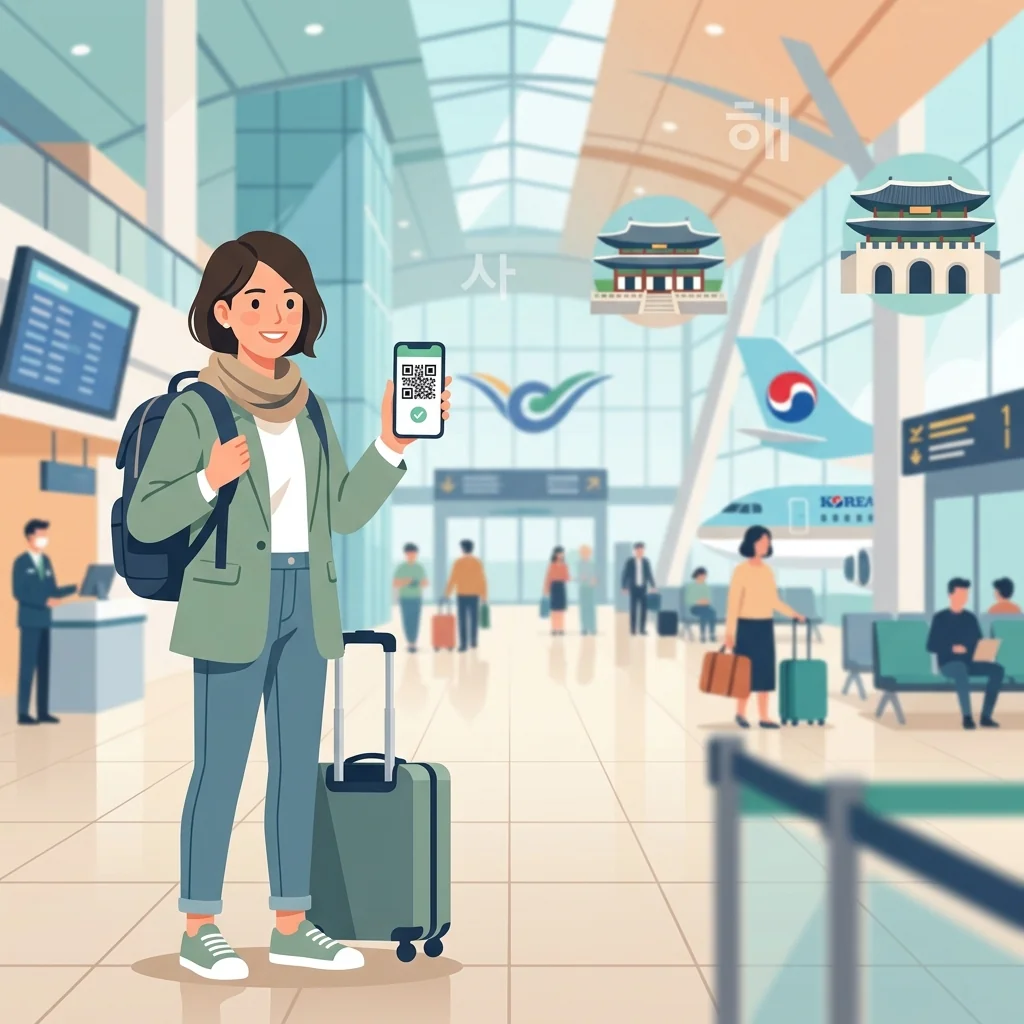
If you're planning a trip to Seoul in 2026, you probably think the hard part—navigating the post-pandemic digital wall—is over. But as of January 1, 2026, South Korea has quietly retired the yellow paper arrival forms you used to fill out on the plane, replacing them with a mandatory digital system that has already caught thousands of travelers off-guard at the immigration desk. Honestly, showing up without this ready on your phone is the fastest way to turn a 15-minute entry into a 2-hour ordeal.
📌 This article provides general information based on current 2026 travel statutes from the Korea Immigration Service (Hi Korea) →. Rules change frequently; always check with your local Korean embassy before flight.
I’ve lived in Korea for 15 years and watched every iteration of the "digital entry" system. In 2026, the confusion is at an all-time high because while the K-ETA (Electronic Travel Authorization) → requirement remains technically "suspended" for 22 countries, a new mandatory e-Arrival Card has effectively replaced it for everyone else. Let me save you the stress and breakdown exactly what you need to submit before you even pack your bags.
The K-ETA exemption: who is safe until 2027?
The South Korean government has officially extended the temporary K-ETA exemption for citizens of 22 designated countries until December 31, 2026. This move was designed to boost "Visit Korea Year" tourism, allowing travelers from major markets to skip the ₩10,000 fee and the 24-hour waiting period for the electronic travel authorization.
If you hold a passport from one of these 22 jurisdictions, you skip the K-ETA entirely for tourism and short-term business visits:
Americas: United States (including Guam), Canada
Europe: UK, France, Germany, Italy, Netherlands, Spain, Sweden, Norway, Denmark, Finland, Belgium, Poland, Austria
Asia-Pacific: Japan, Taiwan, Hong Kong, Singapore, Macau, Australia, New Zealand
However, there's a major caveat. If you decide to apply for a K-ETA anyway (it's optional but allowed), it remains valid for 3 years. The benefit? Having an approved K-ETA allows you to bypass the e-Arrival Card requirement entirely. For many frequent travelers, paying the ₩10,000 once to skip the digital paperwork for every subsequent trip is a hidden pro-tip.
The new mandatory "e-arrival card" explained
Effective January 1, 2026, paper arrival cards are no longer distributed on planes. Every foreign traveler without a K-ETA must submit an electronic arrival card (e-Arrival Card) before crossing immigration. This is where most people get stuck. They land, thinking they only needed their passport, and are met with a sea of QR codes and kiosks at the gate.
The e-Arrival Card asks for the same info as the old paper cards: your flight number, address in Korea, and contact number. The catch? It must be done online, it requires a stable internet connection, and the kiosks at the airport often have massive lines.
| Feature | K-ETA | e-Arrival Card |
|---|---|---|
| Cost | ₩10,000 (Approx. $8) | Free |
| Validity | 3 Years (Multiple entries) | Per Entry (1 time) |
| Processing Time | Up to 72 hours | Immediate (QR issued) |
| Mandatory for? | Non-exempt nations | Everyone without K-ETA |
My advice? Submit your e-Arrival Card 24 hours before your flight. You'll receive a QR code on your phone. When you land at Incheon or Gimhae, you simply scan this code at the immigration gate. It saves you the headache of struggling with airport Wi-Fi while tired from a long-haul flight.
"The shift to a 100% digital entry system in 2026 is part of Incheon Airport's 'Smart Entry' initiative. While it improves speed for prepared travelers, it has created a bottleneck for those unaware of the electronic card requirement." — Korea Tourism Organization Industry Report, Q1 2026.
Step-by-step checkout: the travel readiness checklist
To ensure a smooth entry in 2026, follow this exact sequence before heading to the airport. Missing just one of these could lead to being denied boarding, as many airlines now verify your digital entry status during check-in.
What about the Q-CODE?
As of mid-2026, the Q-CODE (Quarantine information pre-entry system) is generally not required for travelers from major Western nations. However, the NTS maintains a "Strict Quarantine Inspection" list which is updated frequently based on global health outbreaks.
If you are arriving from a region categorized as a watch-zone for specific infectious diseases, you will see a notice during the e-Arrival Card process prompting you to also fill out the Q-CODE. If you don't see this prompt, you are likely clear—but I always recommend having your vaccination certificates saved on your phone just in case of a last-minute policy shift.
Bonus: the 2026 duty-free and customs limits
While we're talking about entry, don't forget the **new 2026 customs limits**. Korea has recently increased the duty-free allowance to encourage tourism spending. If you're coming for high-end skincare or electronics, this matters:
| Category | 2026 Duty-Free Limit |
|---|---|
| Standard Allowance | $1,000 USD (Total value per person) |
| Liquor | 2 Bottles (Up to 2L total, max $400) |
| Cigarettes | 200 Cigarettes (1 Carton) |
| Perfume | 100ml |
Final Thoughts
Traveling to South Korea in 2026 is easier than ever if you have your digital ducks in a row. The K-ETA exemption extension for Americans, Brits, and Canadians is a huge win—but that **e-Arrival Card** is the new hurdle. Take the 5 minutes to file it before you leave for the airport, and you'll be riding the AREX train into the city while everyone else is still waiting in the "manual kiosk" line.
※ All information is based on 2026 statutory travel rules and ministerial guidelines. This is not professional legal advice.
The KR INSIDER editorial team consists of long-term residents, certified tax professionals, and immigration specialists based in Seoul. All content is cross-referenced with official Korean government sources including the NTS, MOEL, and NHIS.